
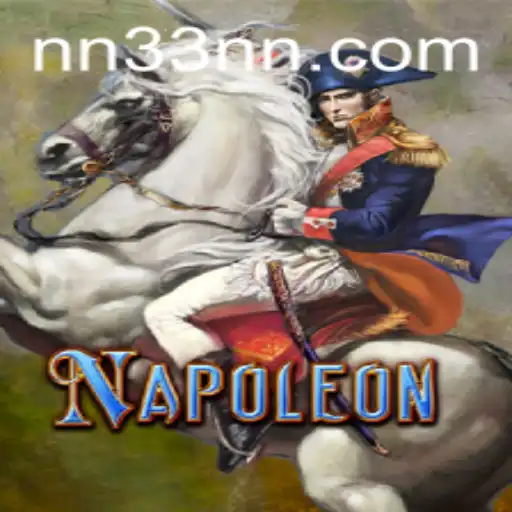

Explore the captivating world of Napoleon, a strategic card game, with our comprehensive guide detailing its introduction, gameplay rules, and how it’s influenced by current events.
Mastering Napoleon: An In-Depth Guide to the Strategic Card Game NN33
Card games have captivated players for centuries, offering both competitive thrills and social engagement. Among the myriad of games that span cultures and generations, Napoleon, also known by its emerging version NN33, holds a special place for its strategic depth and historical intrigue. This engaging game is named after the famous French military leader Napoleon Bonaparte and reflects the strategic maneuvers and tactical decisions characteristic of its namesake.
Introducing Napoleon and NN33
The game of Napoleon originated in the early 19th century, gaining popularity in English-speaking countries. Traditionally played with two to seven players, it revolves around winning tricks much like bridge or whist but infused with its unique set of rules and a fascinating backstory. As of late, a digitized variant known as NN33 has emerged, revitalizing interest in this classic. The digital platform allows for global participation, reflective of current trends where technology bridges geographical gaps, just as Napoleon once crossed geographical boundaries.
The Rules of Napoleon
The card game Napoleon stands out due to its combination of chance and skill, demanding strategic foresight and adaptability from players. A standard 52-card deck is used, with one player acting as the dealer in each hand. The game proceeds with an initial bidding round, which sets the stage for strategic gameplay.
Setting the Stage with Bidding
The bidding phase is a crucial element of Napoleon, with players attempting to determine how many tricks they will take. The player who bids the highest becomes the Napoleon for that round and strives to meet or exceed their bid. This central figure must strategically outplay opponents while collaborators, known as lukes, are discreetly determined through gameplay, reminiscent of alliances in global affairs.
Gameplay Mechanics
Once the bidding concludes, the game transitions to the play phase, starting with the player to the dealer’s left. Akin to military maneuvers, the lead player selects a suit, and others follow in turn. The objective is to win as many tricks as possible through calculated plays, skillfully navigating the complexities akin to those in diplomacy and negotiation, qualities Napoleon himself mastered.
Trump Card: The Game-Changer
A distinctive feature of Napoleon is the potential for a trump suit, a wildcard in the arsenal of the Napoleon, often turning the tides in their favor. This aspect mimics strategic surprises in contemporary political landscapes where unpredictability acts as a pivotal factor.
Current Relevance and Adaptations
In today’s fast-paced digital world, the rise of online gaming platforms has introduced Napoleon to a broader, more diverse audience. The NN33 variant is particularly popular, leveraging technology to recreate the authentic experience for participants around the globe. The game’s renewed popularity mirrors global trends where unexpected alliances and strategic decisions, much like the game's structure, influence geopolitical climates.
Moreover, the revival of such traditional games emphasizes a shift back to basics, where strategy and intellect guide decisions over mere chance. This shift is particularly notable as society increasingly values critical thinking and tactical planning, skills that Napoleon hones effortlessly.
Playing It Forward: Social and Strategic Implications
The resurgence of Napoleon and its digital iteration NN33 offers a microcosm of strategic interactions in a globalized world, where social connections are often forged over shared interests and mutual goals. Engaging in this game reflects an appreciation for strategic thinking, which echoes the complexities faced in modern political and economic environments.
War games and strategic simulations have long been valued for the lessons they impart regarding foresight, adaptability, and decision-making under pressure. Napoleon, with its historical connotations and evolving variants, continues to inspire players to explore these dimensions, enriching both personal growth and social connections.